I t seems that what passes for conventional wisdom has pretty much written off the stormy, incandescent career of the junior senator from Texas, “Tailgunner” Ted Cruz. The “tactical error” of bringing the country to the brink of default earned him the disapprobation of his party and enough condemnation by our collective thought leaders that we seem to have dismissed him from further consideration as a figure of national significance and appeal. And the sigh of relief and hopeful finality attending this dismissal is notably one of the few truly bipartisan undertakings of our otherwise sharply polarised politics and conflicted media commentary.
But let’s set aside, for the moment, the convenient notion that we have survived this political asteroid. His meteoric career impacted squarely on the fault line dividing the modern Republican party at a crucial moment. Is this accidental?
Just as the leadership prepared to abandon the single, defining policy issue which had been used to demonise the administration and whip support for almost four years, Cruz weighs in and makes a perfect riot out of what the party was hoping to quietly concede. In the process he wins a Gungam style volume of earned media, unimpeachable ‘outsider’ status in spite of having trod the corridors of power in Washington for a decade and a distant fourth in the history of filibusters.
He has also captured the unswerving loyalty of a significant cohort of disgruntled, activist Republicans who were the true believers. Sorry, folks, but this is no accident, it is the calculated, if somewhat volatile, opening gambit of a presidential nomination campaign.
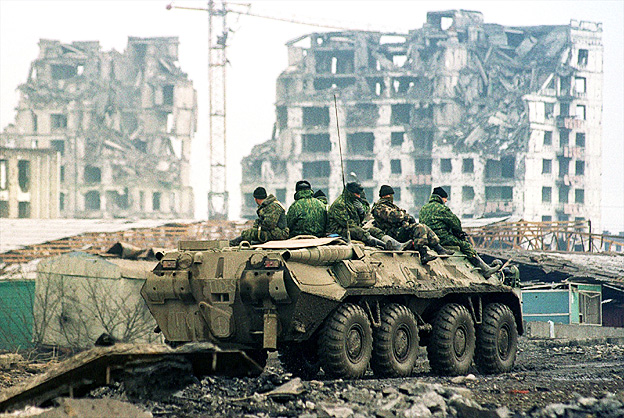
 ell, now we’ve seen it all. Vladimir Putin has an op-ed in the 11 September edition of the New York Times imploring Americans to undermine their own security by doubting the motives, credibility and policies of the US government:
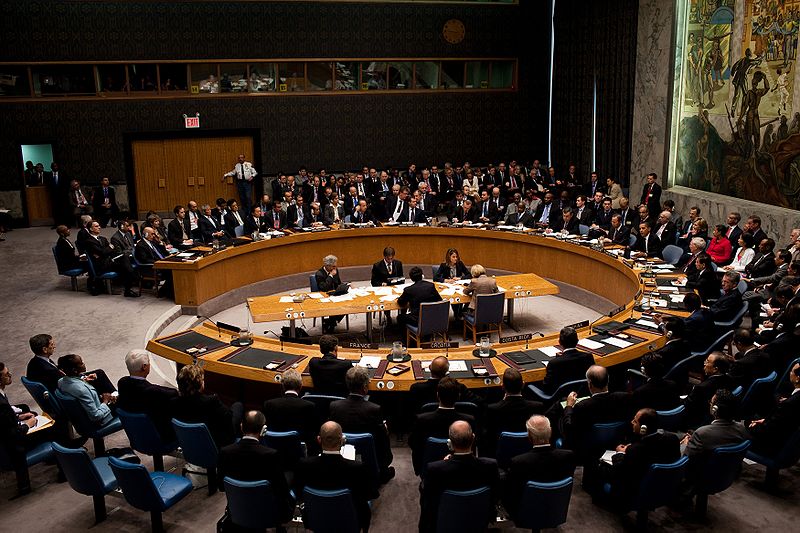 he first round of activity has already been undertaken in the UN Security Council with the submission of a French resolution:
 nteresting developments overnight have again changed the course of the Syrian chemical weapons crisis:
 bout an hour after the vote which defeats the proposed Authorisation for Use of Military Force in response to the chemical weapons attack in Syria we will probably begin to realise that the world as we know it has been irrevocably changed; and probably not for the better.
 he terrorist group Ansar al-Sharia was immediately associated with the Benghazi tragedy and reliable reports of their involvement were confirmed within days; this is often cited in accusations that the administration was remiss in their early appraisals presented to the media. How is this not compelling evidence of a terrorist plot? And how could this same militia
  or a controversy which has played in so many committee rooms the factual narrative of events in Benghazi seems pretty hard to follow and has been largely subsumed in partisan assumptions. The State Department